
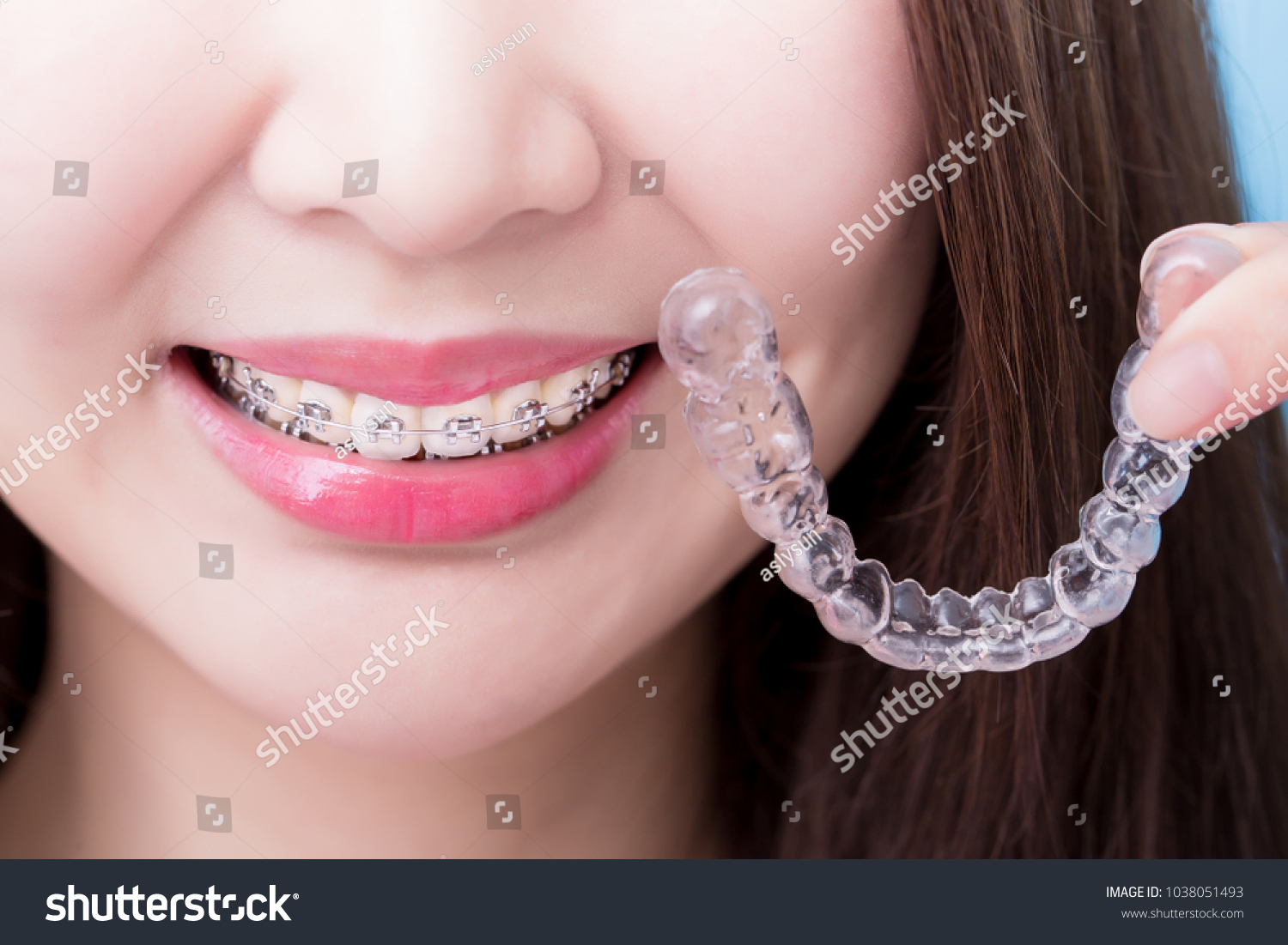
Choosing between braces and aligners
This decision gets made emotionally more often than it should. Clear aligners are appealing because they are nearly invisible and removable — but they only work if you actually wear them 20 to 22 hours a day. If you are likely to leave them out, fixed braces will give you a better result.
Fixed braces handle complex movements — significant rotations, large bite corrections, moving roots — more predictably. Ceramic brackets are a middle ground: fixed, but far less visible than metal. What suits you depends on how your teeth need to move, not just on appearance.
- Metal braces — most economical, handles the widest range of cases
- Ceramic braces — tooth-coloured brackets, much less noticeable
- Clear aligners — removable and near-invisible, needs strict discipline
The right age to start
For children, an orthodontic assessment around age 7 to 9 is useful. Not because treatment usually starts then, but because some problems — crossbites, severe crowding, jaw growth discrepancies — are far simpler to guide while the jaw is still developing than to correct later.
For adults, there is no age limit. Teeth move throughout life. What matters is that your gums and the bone supporting your teeth are healthy first; active gum disease has to be treated before any orthodontic work begins.
What treatment is like day to day
Expect some soreness for three to five days after fitting and after each adjustment. It is a dull ache rather than sharp pain, and soft food plus your usual painkiller handles it.
Cleaning takes more effort with fixed braces, and this genuinely matters — the most common bad outcome in orthodontics is straight teeth with white decalcification marks around where the brackets were. We will show you the technique and check your cleaning at each visit.
Most treatments run 12 to 24 months depending on complexity, with adjustment visits every 4 to 6 weeks.
Retainers are not optional
Teeth have a memory and will drift back toward their original position if nothing holds them. Every case finishes with a retainer, and wearing it as instructed is what protects the money and time you have just invested. Patients who stop wearing retainers after a year commonly see noticeable relapse.